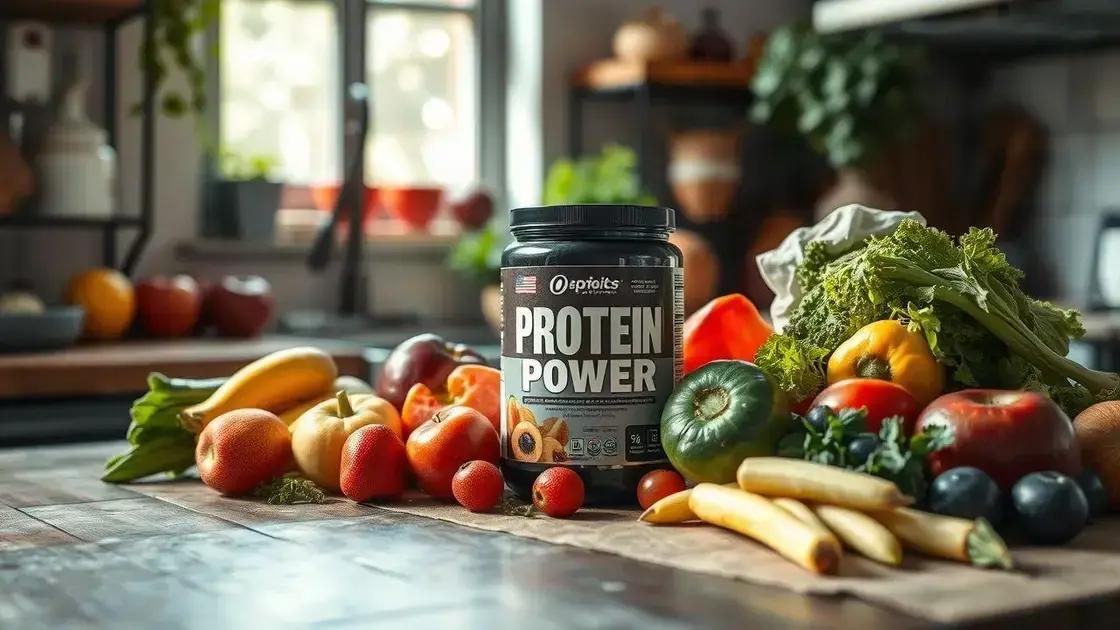
Protein powder during menopause helps manage weight gain and maintain muscle mass by supporting hormonal balance, with studies showing women who consume 20-25g daily experiencing improved metabolism, reduced cravings, and better energy levels when combined with regular exercise.
Do you ever wonder if protein powder menopause can really help ease those weight gain struggles? Many women face this challenge as they transition, and exploring new options can be enlightening.
Why Menopause Causes Weight Gain
During menopause, several hormonal changes create a perfect storm that can lead to weight gain. Estrogen levels decrease significantly, affecting how the body stores and distributes fat, particularly around the midsection.
The metabolic rate naturally slows down during this phase, making it harder to maintain a healthy weight even with the same diet and exercise routine. This metabolic shift can result in gaining approximately 2-5 pounds annually during the menopausal transition.
Key Factors Contributing to Weight Gain
Several biological changes occur during menopause that influence weight gain:
- Decreased muscle mass, which slows down metabolism
- Insulin resistance becomes more common
- Sleep disruptions due to hot flashes affect hunger hormones
- Stress hormones like cortisol may increase
These changes don’t just affect weight – they can impact overall body composition. Loss of lean muscle tissue is particularly concerning, as muscle helps maintain a healthy metabolism and supports bone density.
Understanding Hormonal Impact
The hormonal fluctuations during menopause affect how the body processes and stores nutrients. When estrogen levels drop, the body tends to store more fat and burn fewer calories during rest. This combination makes traditional weight management strategies less effective than they were in pre-menopausal years.
Protein Powder’s Role in Hormonal Balance

Protein powder plays a crucial role in supporting hormonal balance during menopause through several mechanisms. It helps stabilize blood sugar levels, which can reduce hormone fluctuations and minimize hot flashes.
Support for Hormone Production
The amino acids in protein powder provide essential building blocks for hormone production. These nutrients help the body create and maintain:
- Neurotransmitters that regulate mood
- Growth hormones that support muscle maintenance
- Enzymes that aid in metabolism
When choosing a protein powder, look for options with additional nutrients that support hormonal health, such as:
- B vitamins for energy production
- Calcium for bone health
- Vitamin D for hormone regulation
Blood Sugar Management
Regular protein consumption helps maintain steady blood sugar levels, which is particularly important during menopause. This stability can help reduce:
- Mood swings
- Energy crashes
- Unwanted food cravings
Adding protein powder to your daily routine can create a foundation for better hormonal balance. It’s especially effective when consumed at breakfast or after exercise, when your body is most receptive to nutrient absorption.
Benefits Proven by Science
Research has consistently shown that protein powder supplementation during menopause offers multiple evidence-based benefits. Scientific studies have documented significant improvements in several key areas affecting menopausal women.
Muscle Mass Preservation
Clinical trials demonstrate that women who consume adequate protein during menopause maintain up to 40% more muscle mass compared to those who don’t. This preservation is crucial because:
- Muscle mass naturally decreases by 3-8% per decade after age 30
- Higher muscle mass helps maintain a healthy metabolism
- Stronger muscles support better bone density
Weight Management Evidence
Research-backed benefits of protein powder for weight management include:
- 25% higher satiety levels after protein consumption
- Reduced evening snacking by up to 50%
- Improved body composition with regular use
Bone Health Research
Studies show that adequate protein intake, particularly from high-quality sources like protein powder, supports bone health during menopause by:
- Increasing calcium absorption
- Supporting bone mineral density
- Reducing fracture risk by up to 20%
A 2022 meta-analysis revealed that women who consistently consumed adequate protein showed better markers for bone health and muscle strength compared to those with lower protein intake.
Safe and Effective Ways to Use Protein Powder

Incorporating protein powder into your menopausal journey requires a thoughtful approach to maximize its benefits. The right timing and proper mixing methods can make a significant difference in effectiveness.
Optimal Timing
Consider these key moments for protein powder consumption:
- First thing in the morning to stabilize blood sugar
- Within 30 minutes after exercise
- Between meals when hunger strikes
- Before bed to support overnight muscle recovery
Mixing Methods
Try these effective ways to incorporate protein powder:
- Blend with almond milk and fruits for a complete breakfast
- Mix into oatmeal or yogurt for added nutrition
- Create protein-rich smoothie bowls with seeds and berries
- Stir into coffee for a protein-enhanced latte
Proper Dosage
Follow these guidelines for best results:
- Start with 20-25 grams per serving
- Spread intake throughout the day
- Adjust serving size based on activity level
- Listen to your body’s response
Remember to stay hydrated when increasing protein intake, aiming for at least 8 glasses of water daily. This helps your body process the protein effectively and maintains optimal hydration during menopause.
Risks and How to Avoid Them
While protein powder is generally safe during menopause, being aware of potential risks and knowing how to avoid them ensures a positive experience. Understanding proper usage and quality considerations is essential for optimal results.
Quality Considerations
Watch out for these factors when choosing protein powder:
- Check for third-party testing certification
- Look for products free from artificial sweeteners
- Verify the protein source matches your dietary needs
- Ensure there are no hormone-disrupting additives
Common Concerns
Be mindful of these potential issues:
- Digestive sensitivity to certain protein types
- Possible interaction with medications
- Risk of excessive protein intake
- Hidden ingredients in some formulations
Prevention Strategies
Follow these safety guidelines to avoid potential issues:
- Start with half the recommended serving size
- Introduce new products gradually
- Keep a symptom diary for the first week
- Consult healthcare providers about supplements
If you experience any digestive discomfort, try switching to a different protein source or adjusting your serving size. Many women find that plant-based options are gentler on the digestive system during menopause.
Real Stories from Menopausal Women

Women across different walks of life have found success using protein powder during menopause. Their authentic experiences offer valuable insights and inspiration for others on the same journey.
Sarah’s Transformation
Sarah, 52, shares: “I started using protein powder six months into menopause when I noticed significant muscle loss. Within three months of consistent use, I regained strength and felt more energetic during my daily activities.”
Linda’s Weight Management Journey
“The afternoon slumps were my biggest challenge,” says Linda, 48. “Adding protein shakes between meals helped curb my cravings and maintained my energy levels. I’ve managed to maintain a healthy weight without feeling deprived.”
Maria’s Fitness Success
Maria, 55, reports: “Combining protein powder with my workout routine has made a remarkable difference. My trainer noticed improved muscle tone, and I feel stronger than ever. It’s become my post-exercise essential.”
Practical Tips from Real Users
These women share their favorite ways to use protein powder:
- Mixing with coffee for a morning boost
- Creating filling breakfast smoothies
- Adding to overnight oats
- Blending with frozen fruit for healthy desserts
Each story emphasizes the importance of consistency and finding personally enjoyable ways to incorporate protein powder into daily routines.
Embracing Protein Powder as a Menopause Ally
The journey through menopause brings unique challenges, but protein powder offers a practical and science-backed solution for managing weight and maintaining overall wellness. From supporting hormonal balance to preserving muscle mass, its benefits are well-documented and supported by real women’s experiences.
By choosing quality products and following safe consumption guidelines, you can make protein powder a valuable part of your menopause journey. Remember that every woman’s experience is unique, and it’s worth taking time to find the approach that works best for you.
Whether you’re just starting to explore protein supplementation or looking to optimize your current routine, the key is to maintain consistency and listen to your body’s responses. With the right approach, protein powder can be an effective tool in your menopause wellness toolkit.
FAQ – Common Questions About Protein Powder During Menopause
Is protein powder safe to use during menopause?
Yes, protein powder is safe during menopause when chosen from reputable manufacturers. High-quality protein supplements can help manage weight, maintain muscle mass, and support overall well-being during this transition.
How much protein powder should I take during menopause?
Start with 20-25 grams per serving, typically once or twice daily. You can adjust the amount based on your activity level and personal needs. It’s best to begin with a smaller amount and gradually increase as your body adapts.
When is the best time to take protein powder?
The most effective times are in the morning to stabilize blood sugar, within 30 minutes after exercise, between meals to control hunger, or before bed to support overnight muscle recovery. Choose the timing that best fits your routine.
Will protein powder help with menopausal weight gain?
Yes, protein powder can help manage menopausal weight gain by increasing satiety, preserving muscle mass, and supporting metabolism. Combined with regular exercise, it becomes an effective tool for maintaining a healthy weight.
Which type of protein powder is best during menopause?
Look for protein powders that are hormone-free and contain additional nutrients supporting bone health, such as calcium and vitamin D. Both whey and plant-based options can be effective – choose based on your dietary preferences and digestive comfort.
How long does it take to see results with protein powder?
Most women notice initial benefits like improved energy and reduced cravings within 2-3 weeks. For muscle maintenance and weight management results, consistent use over 8-12 weeks typically yields visible results when combined with a balanced diet and regular exercise.